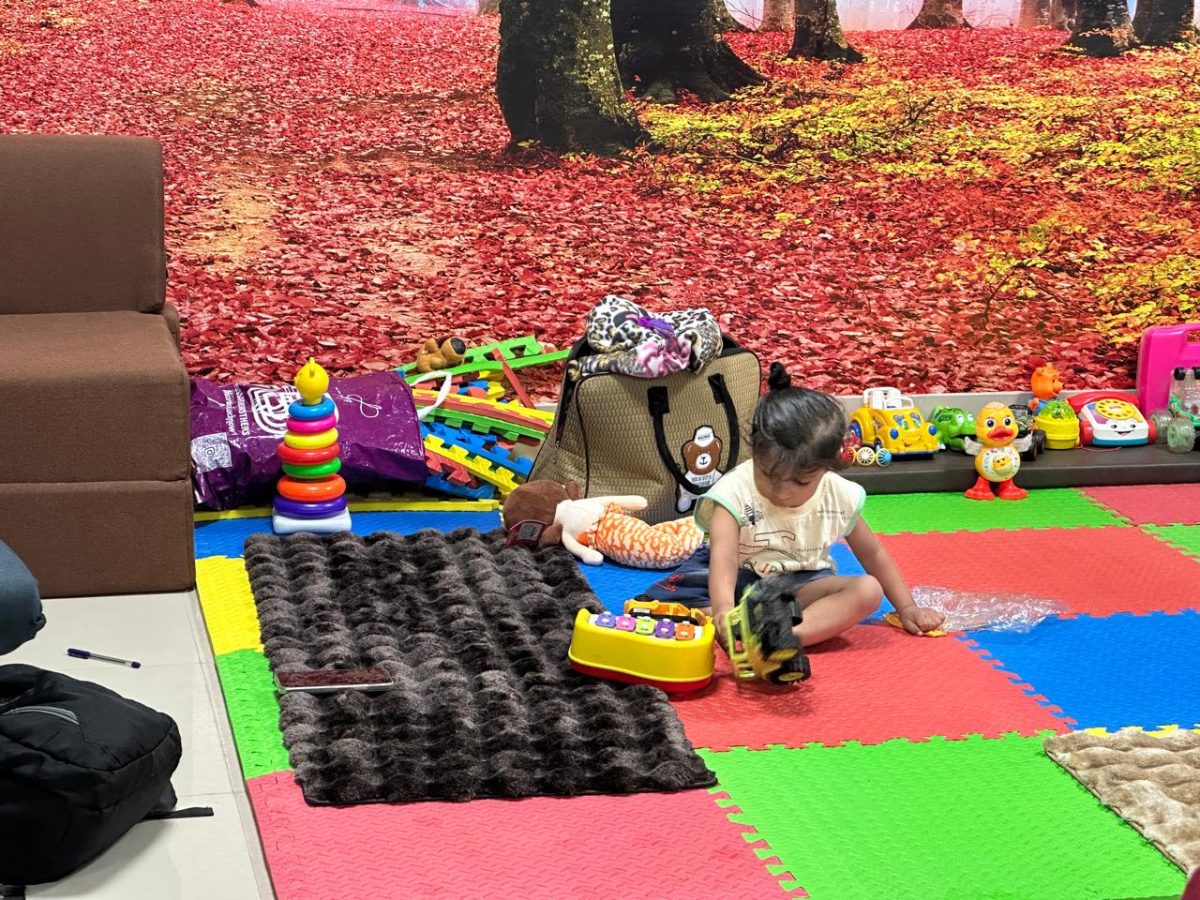
For children, everyday activities are opportunities to learn and develop. Holding a pencil, using a spoon, getting dressed, playing with toys, climbing stairs, participating in classroom activities, and interacting with others all involve a combination of physical, cognitive, sensory, and social skills.
When a child experiences difficulties in one or more of these areas, Occupational Therapy (OT) can help build the skills required for greater participation and independence.
Paediatric occupational therapy focuses on meaningful activities that are important in a child’s daily life. Depending on the child’s needs, therapy may address fine motor skills, gross motor coordination, hand-eye coordination, sensory processing, motor planning, attention, visual-motor skills, handwriting, self-care, and other functional abilities.
The goal is not simply to teach a child how to perform an isolated task. Instead, occupational therapy aims to help children participate more successfully in the activities that matter to them — at home, at school, during play, and in the community.
For example, a child who finds handwriting difficult may benefit from activities that strengthen hand skills, improve coordination, develop visual-motor abilities, and support appropriate pencil control. Similarly, a child who struggles with dressing may work on the specific motor and sequencing skills needed to become more independent.
Every child has a unique developmental profile. Therefore, occupational therapy is most effective when assessment and intervention are individualized according to the child’s strengths, challenges, environment, and goals.
At the Child Development Centre, KGMU Lucknow, occupational therapy forms part of a multidisciplinary approach to supporting child development.
Progress may sometimes look very small — holding a pencil more confidently, putting on a shoe independently, completing a task with less assistance, or participating in play for a little longer.
But every small achievement is a step towards greater confidence, participation, and independence.